
Description
Oxytocin Peptide Dosage and Research Overview
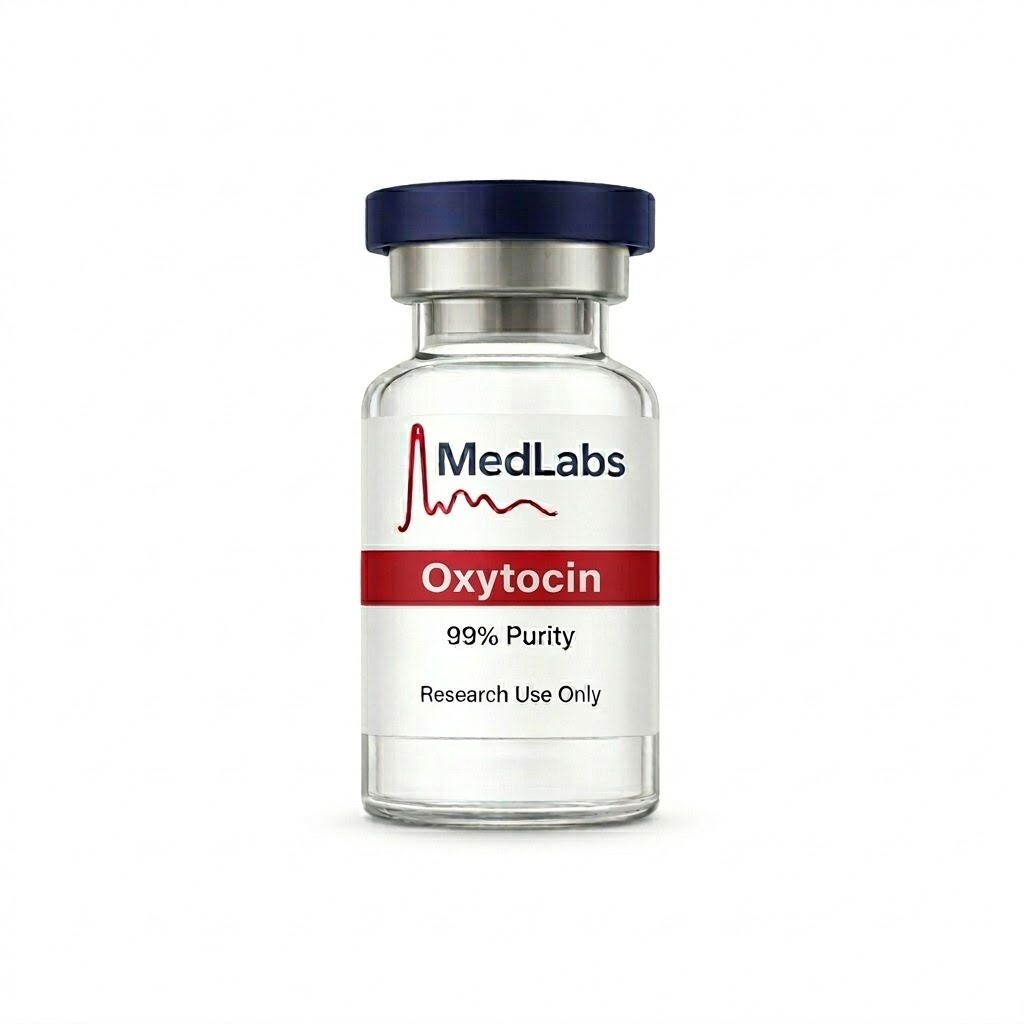
Oxytocin peptide dosage remains a major topic in neuroendocrine and hormonal signaling research. Scientists classify oxytocin as a cyclic nonapeptide hormone produced within the hypothalamus and stored in the posterior pituitary gland. In laboratory settings, researchers use synthetic oxytocin peptide to study receptor signaling, neurotransmitter activity, and neurochemical regulation.
Oxytocin is a peptide hormone that research frequently focuses on behavioral signaling, neuroplasticity, and hormone communication pathways. Additionally, researchers investigate how oxytocin peptide interacts with G-protein-coupled receptors across neural and peripheral tissues.
At Medlabs Peptides, laboratories receive high-purity oxytocin peptide designed for analytical and experimental applications. Every batch undergoes quality verification to support research consistency and peptide integrity.
Researchers also examine oxytocin peptide benefits in experimental models involving dopamine signaling, vascular tone regulation, and neurotransmitter modulation. However, all investigations remain strictly preclinical and research-based.
Quick Specifications
| Specification | Details |
|---|---|
| Product Name | Oxytocin Peptide |
| Molecular Formula | C43H66N12O12S2 |
| Molecular Weight | 1007.19 g/mol |
| CAS Number | 50-56-6 |
| Purity | ≥98% HPLC |
| Appearance | White lyophilized powder |
| Solubility | Soluble in bacteriostatic water |
| Storage | Store at -20°C |
| Stability | Stable under recommended storage conditions |
| Pack Size | 2 mg / 5 mg / 10 mg |
Oxytocin Peptide Mechanism of Action
Oxytocin peptide binds primarily to oxytocin receptors located throughout the brain and peripheral tissues. These receptors belong to the G-protein-coupled receptor family. Once activated, they stimulate phospholipase signaling pathways and increase intracellular calcium concentrations.
As calcium levels rise, cellular signaling activity changes rapidly. Consequently, researchers study oxytocin peptide dosage chart models to evaluate receptor sensitivity and downstream biochemical responses.
Scientists continue exploring what oxytocin peptides are used for in neurological and endocrine research. Many studies focus on dopamine release within the ventral tegmental area and nucleus accumbens. These regions regulate reward signaling and behavioral processing.
Researchers also investigate oxytocin peptide for men in studies involving neurochemical communication and hormonal interactions. Furthermore, oxytocin signaling appears linked with glutamate and GABA neurotransmission, which may influence synaptic plasticity and neuronal communication.
Because oxytocin functions as both a hormone and neurotransmitter, researchers continue analyzing its role in neuroplasticity, vascular dynamics, and endocrine signaling networks.
Research Applications of Oxytocin Peptide
- Cell-based receptor activation studies
- Animal model neuroendocrine research
- Dopamine signaling investigations
- Comparative peptide hormone analysis
- Receptor binding studies
- Neuroplasticity pathway research
- Signal transduction studies
- Hormonal communication modeling
- Synaptic signaling investigations
- Vasodilation pathway analysis
Oxytocin Peptide and Neuroendocrine Research
Researchers widely examine oxytocin peptide benefits in studies involving neurotransmitter regulation and social behavioral signaling. Additionally, oxytocin may influence neuronal communication through glutamatergic and GABAergic pathways.
Several experimental models also evaluate vascular responses linked with oxytocin receptor activation. In these models, researchers monitor arterial tone, blood flow dynamics, and intracellular signaling activity.
Moreover, scientists continue investigating oxytocin peptide dosage protocols to understand receptor responsiveness across different biological systems. This work supports broader peptide comparison studies involving hormonal signaling compounds.
At Medlabs Peptides, research laboratories can access high-quality oxytocin peptide prepared for controlled scientific investigations.
Common Research Questions
What are oxytocin peptides used for in research?
Researchers use oxytocin peptide in studies involving neuroendocrine signaling, receptor activation, neurotransmitter communication, and hormonal pathway analysis.
What would happen if a guy took oxytocin?
Research involving oxytocin peptide for men primarily examines hormonal signaling and neurochemical pathway interactions. These studies remain experimental and non-clinical.
When should I take oxytocin peptide?
Oxytocin peptide is intended strictly for laboratory investigations. Researchers determine study timing based on experimental protocols and peptide stability requirements.
Which hormone is called the love hormone?
Oxytocin often carries the nickname “love hormone” because researchers associate it with bonding and social behavior signaling pathways.
Does oxytocin peptide affect dopamine signaling?
Yes. Several studies suggest oxytocin signaling may influence dopamine release within reward-processing regions of the brain.
Oxytocin peptide dosage vs similar peptides
Researchers compare oxytocin peptide dosage schedules with other neuroendocrine peptides to evaluate receptor specificity and signaling intensity.
Handling and Storage
- Store lyophilized peptide at -20°C
- Protect the peptide from direct light exposure
- Reconstitute using sterile bacteriostatic water
- Avoid repeated freeze-thaw cycles
- Refrigerate reconstituted solution at 2–8°C
- Use sterile laboratory handling procedures
- Keep the vial sealed to preserve stability
Safety and Compliance
FOR RESEARCH USE ONLY
Oxytocin peptide supplied by Medlabs Peptides is intended strictly for laboratory and scientific research purposes.
- Not for human consumption
- Not for veterinary applications
- Not approved for therapeutic use
- No medical or diagnostic claims
- Laboratories assume responsibility for peptide handling and application
Researchers should follow all institutional safety guidelines and laboratory compliance standards during peptide handling procedures.
Why Choose Medlabs Peptides
- High-purity peptide formulations
- Verified analytical testing standards
- Research-focused inventory
- Secure peptide packaging
- Consistent laboratory-grade quality
Reviews
There are no reviews yet.