
Recovery & Healing Peptides for Research
Introduction
Recovery and healing peptides represent a specialized class of research compounds. These molecules consist of short amino acid chains. They are studied for cellular signaling and biological communication. Researchers analyze their function in regenerative research environments.
Moreover, these peptides are associated with cellular repair mechanisms and structural modeling pathways. Scientists investigate their role in inflammation signaling and tissue regeneration processes. As a result, they remain relevant in controlled laboratory studies.
Additionally, recovery peptides are explored in muscle, tendon, and connective tissue research. Their structure allows interaction with targeted receptors. Therefore, they offer valuable insights into peptide-based regeneration.
All compounds are strictly designated for research use only. They are not intended for human consumption under any circumstances.
Key Benefits of Recovery & Healing Peptides
Recovery peptides are studied for their interaction with biological systems. Their importance lies in mechanisms rather than outcomes.
- Support cellular repair pathways through signaling activity
- Investigated for inflammation modulation peptides in research settings
- Studied tissue regeneration signaling and communication
- Explored in muscle and connective tissue research models
Furthermore, these peptides are widely analyzed in regenerative biology. Researchers also evaluate peptide stability and purity.
Featured Compounds in Recovery Research
BPC-157 Research Peptide
BPC-157 is a synthetic peptide derived from gastric proteins. It is investigated for angiogenesis signaling pathways. Additionally, it is studied in tissue repair peptide research models.
Explore product specifications for deeper insights.
TB-500 Peptide (Thymosin Beta-4 Fragment)
TB-500 is a fragment of Thymosin Beta-4. It is associated with cell migration and cytoskeletal remodeling. Moreover, it is studied in injury recovery peptide research.
Browse available compounds for further details.
GHK-Cu Peptide
GHK-Cu is a copper-binding peptide complex. It is investigated for regenerative signaling pathways. Additionally, it is studied within cellular repair mechanisms.
PEG-MGF
PEG-MGF is a modified growth factor peptide. It is associated with muscle recovery compounds in research environments. Furthermore, it is explored for extended activity.
KPV Peptide
KPV is derived from alpha-MSH. It is studied for inflammation modulation peptides. As a result, it is relevant in immune signaling research.
LL-37 Peptide
LL-37 is a cathelicidin peptide. Researchers examine its role in cellular defense and signaling. Moreover, it contributes to regenerative biology studies.
AHK-Cu Peptide
AHK-Cu is another copper-binding peptide. It is associated with cellular repair pathways. Therefore, it remains valuable in peptide-based regeneration research.
Thymalin & Thymosin Alpha-1
These peptides originate from thymic proteins. They are investigated for immune signaling and regulation. Additionally, they are studied in peptide therapy recovery compounds research.
How Recovery Peptides Work
Recovery peptides operate through receptor-based signaling. They bind to specific cell receptors. As a result, they activate molecular pathways.
Moreover, they influence cellular communication and protein expression. These processes affect regeneration pathways and structural development. Therefore, researchers study them in controlled settings.
Additionally, peptide signaling supports tissue modeling and regeneration analysis. Scientists evaluate their behavior across different conditions. This enhances understanding of peptide stability and purity.
Why Choose Our Lab-Grade Peptides
Reliable research depends on high-quality compounds. Therefore, our peptides meet strict standards.
- ≥98% purity verified through advanced testing
- Third-party testing ensures consistency
- Secure packaging preserves peptide integrity
- Fast delivery from a USA-based warehouse
- Full compliance with research-use-only guidelines
Furthermore, all products are handled with precision. This ensures optimal performance in laboratory environments.
Browse available compounds and explore lab-grade peptides today.
Frequently Asked Questions
What are recovery peptides used for in research?
Recovery peptides are used to study cellular repair mechanisms and regeneration pathways. They are analyzed in controlled laboratory environments.
Which peptides are best for recovery?
Researchers often study peptides such as BPC-157, TB-500, and GHK-Cu. These compounds are associated with tissue repair and regeneration signaling.
What does recovery peptide do?
Recovery peptides interact with cellular receptors and signaling pathways. They are studied for their role in cellular communication and structural modeling.
What peptides are used for healing?
Common peptides studied include BPC-157, TB-500, PEG-MGF, and GHK-Cu. These are investigated in tissue repair and regenerative biology research.
Can peptides help a bulging disc?
Peptides are studied in laboratory models for tissue-related research. However, they are not approved for treating any medical condition. All products are for research use only.
How are healing peptides stored?
Peptides should be stored under controlled laboratory conditions. This typically includes low temperatures and stable environments.
What makes a peptide high-quality?
High-quality peptides feature high purity and verified testing. Additionally, proper storage and handling ensure stability.
Are these peptides for human use?
No. All peptides are strictly for research use only. They are not intended for human consumption.
Explore More Research Categories
Expand your research with related peptide categories:
Each category provides specialized compounds for advanced studies.
Browse Recovery & Healing Peptides
Explore premium-grade compounds designed for scientific research. View product specifications and detailed lab data.
Browse available compounds and elevate your research today.
Showing 1–8 of 11 results
-
AHK-CU
Price range: $75.00 through $125.00 Select options This product has multiple variants. The options may be chosen on the product page -
ARA-290
Price range: $45.00 through $90.00 Select options This product has multiple variants. The options may be chosen on the product page -
BPC-157
Price range: $35.00 through $70.00 Select options This product has multiple variants. The options may be chosen on the product page -
-
BPC-157 & TB-500 Blend
Price range: $109.99 through $195.00 Select options This product has multiple variants. The options may be chosen on the product page -
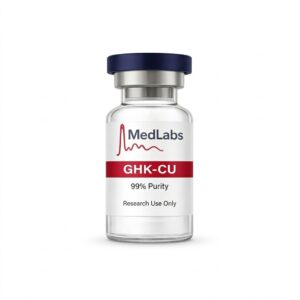
GHK-CU
Price range: $25.00 through $40.00 Select options This product has multiple variants. The options may be chosen on the product page -
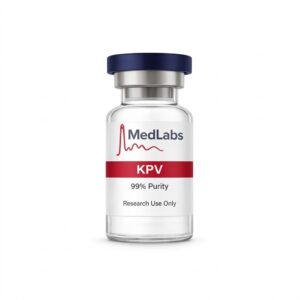
KPV
Price range: $35.00 through $55.00 Select options This product has multiple variants. The options may be chosen on the product page -
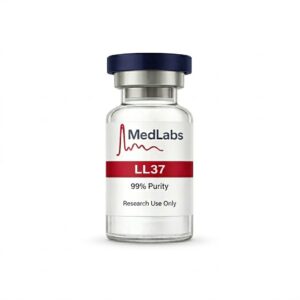
LL-37
Price range: $75.00 through $150.00 Select options This product has multiple variants. The options may be chosen on the product page