
Description
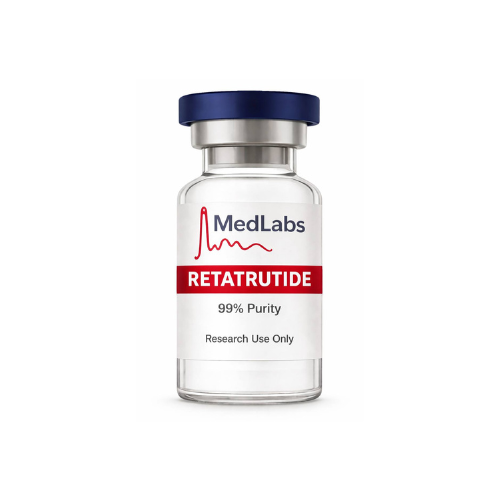
Retatrutide Peptide — MedLabs Peptides
⚠️ For Laboratory Use Only: This product retatrutide peptide is intended strictly for controlled research and analytical purposes.
What Is Retatrutide?
The retatrutide peptide is a groundbreaking investigational compound developed by Eli Lilly. It works as a triple-hormone receptor agonist — meaning it targets three key metabolic receptors at once: GIP, GLP-1, and glucagon.
No other approved weight management compound currently targets all three receptors simultaneously. This makes the retatrutide peptide one of the most advanced and closely watched compounds in metabolic research today. Retatrutide peptide for sale
Researchers study it primarily for obesity and type 2 diabetes, with Phase 3 clinical trials currently underway. Regulatory approval is anticipated around 2026–2027.
How the Retatrutide Peptide Works
The retatrutide peptide delivers its effects through three simultaneous receptor pathways. Each pathway contributes a distinct and powerful metabolic action:
- GLP-1 Receptor Activation — Suppresses appetite, slows gastric emptying, and reduces caloric intake.
- GIP Receptor Activation — Enhances fat metabolism and improves insulin sensitivity.
- Glucagon Receptor Activation — Boosts energy expenditure and accelerates fat breakdown.
Together, these three pathways produce a level of metabolic activity that researchers describe as unprecedented. This triple mechanism explains why retatrutide outperforms single and dual agonists in early clinical comparisons.
Retatrutide Weight Loss Results — What the Trials Show
The retatrutide peptide has produced some of the most striking weight loss data in the history of obesity research. Here is what clinical trials reveal:
Phase 2 Trial Results
At 48 weeks, participants using the highest doses recorded up to 24.2% body weight reduction. Some trial arms reported losses approaching 28% — a figure that rivals the outcomes of bariatric surgery.
Why These Numbers Matter
Most approved weight loss medications produce between 5% and 15% body weight reduction. The retatrutide peptide more than doubles that benchmark at higher doses, positioning it as a potential game-changer in obesity treatment research.
What Is Retatrutide Used For? — Key Research Benefits
MedLabs Peptides supplies the retatrutide peptide to support research across several high-priority areas:
Obesity & Weight Reduction
Retatrutide consistently delivers double-digit percentage weight loss across clinical populations. Researchers studying obesity find it especially valuable due to its multi-receptor approach.
Type 2 Diabetes & HbA1c Reduction
The retatrutide peptide actively lowers HbA1c — the primary long-term marker of blood sugar control. Studies show meaningful glycemic improvements even in patients with advanced insulin resistance.
Insulin Sensitivity
Beyond glucose control, retatrutide improves how the body responds to insulin. This makes it a key compound for research into metabolic syndrome and pre-diabetes pathways.
Blood Pressure Reduction
Clinical data links the retatrutide peptide to measurable reductions in blood pressure — an important secondary benefit for researchers studying cardiovascular risk in obese populations.
Fatty Liver Disease
Retatrutide shows early promise in reducing liver fat accumulation. This opens an exciting additional research avenue beyond its primary obesity and diabetes applications.
Is Retatrutide Better Than Ozempic?
This is one of the most common questions researchers and clinicians ask. Here is a direct comparison:
| Feature | Retatrutide | Ozempic (Semaglutide) |
|---|---|---|
| Receptor Targets | GLP-1 + GIP + Glucagon | GLP-1 Only |
| Peak Weight Loss | Up to 24–28% | Up to 15% |
| Dosing Frequency | Once weekly | Once weekly |
| Glycemic Control | Strong | Strong |
| Approval Status | Phase 3 Trials | FDA Approved |
The data clearly favors retatrutide in terms of weight loss magnitude. By targeting three receptors instead of one, the retatrutide peptide delivers significantly greater metabolic impact than Ozempic alone. However, Ozempic carries full regulatory approval — retatrutide does not yet.
For research purposes, the retatrutide peptide represents the more advanced and potent compound. Retatrutide peptide for sale
Who Is a Good Candidate for Retatrutide Research?
Researchers typically focus retatrutide studies on participants who meet the following profiles:
- Adults with a BMI of 30 or above (clinical obesity)
- Individuals with a BMI of 27+, alongside metabolic comorbidities such as type 2 diabetes or hypertension
- Patients who show inadequate response to existing GLP-1 therapies
- Subjects enrolled in cardiovascular risk reduction or fatty liver disease research protocols
This broad candidate profile makes the retargeting peptide highly versatile across multiple research disciplines.
Retatrutide Dosing — What Research Shows
Understanding retatrutide dosing is essential for structuring effective research protocols. Here is what current clinical data indicates:
Retatrutide Dosing Overview
| Dose Level | Weekly Dose | Observed Outcome |
|---|---|---|
| Low | 1 mg | Tolerability assessment |
| Mid | 4 mg – 8 mg | Meaningful weight reduction |
| High | 12 mg | Peak efficacy — up to 24.2% weight loss |
How Long Will 10mg of Retatrutide Last?
A 10 mg vial of retatrutide supports approximately one week of research dosing at the higher end of studied protocols. Researchers using mid-range doses of 4–8 mg may extend a single vial across one to two weeks, depending on their specific protocol design. Retatrutide peptide for sale
Note: MedLabs Peptides supplies retatrutide strictly for research purposes. All dosing figures reflect published clinical trial data and do not constitute medical advice.
Side Effects — What Researchers Document
The retatrutide peptide shares a side effect profile similar to other GLP-1 class compounds. Researchers report the following most frequently:
| Side Effect | Severity |
|---|---|
| Nausea | Mild to Moderate |
| Diarrhea | Mild to Moderate |
| Vomiting | Mild |
| Constipation | Mild |
These effects appear most often during early dosing and tend to decrease as the research subject adjusts to the compound. Gradual dose escalation protocols help minimize these responses significantly.
How to Get Retatrutide — Where to Buy Retatrutide
Researchers looking for a reliable source to buy retatrutide for laboratory use can access research-grade supply directly through MedLabs Peptides.
MedLabs Peptides maintains strict quality control standards across every batch, ensuring researchers receive a pure, consistent, and dependable compound for their studies.
When you choose MedLabs Peptides for your retatrutide supply, you get:
- Research-grade purity
- Sterile, sealed vials
- Consistent batch-to-batch quality
- Reliable supply for ongoing Phase-aligned research
Storage & Handling of Retatrutide Peptide For Sale
Protect the integrity of the retatrutide peptide with proper storage:
- Temperature: -20°C to 4°C (4°F to 39°F)
- Environment: Dry conditions, away from direct sunlight and heat sources
- Handling: Follow all standard sterile laboratory protocols for peptide compounds
Research Applications at MedLabs Peptides
MedLabs Peptides supplies the retatrutide peptide to advance research in these critical areas:
- Obesity and significant body weight reduction studies
- Type 2 diabetes and HbA1c regulation protocols
- Triple GLP-1/GIP/Glucagon receptor agonist mechanism research
- Cardiovascular risk reduction in metabolic disease
- Fatty liver disease and hepatic fat accumulation studies
- Comparative studies against semaglutide, tirzepatide, and mazdutide
Reviews
There are no reviews yet.