
Description
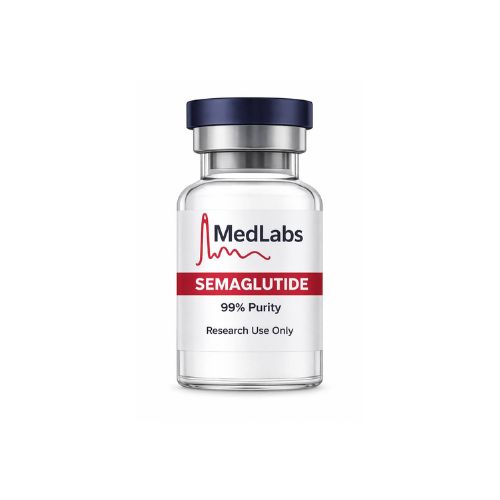
Semaglutide peptide for sale — MedLabs Peptides
⚠️ For Laboratory Use Only: This product, Semaglutide peptides is intended strictly for controlled research and analytical purposes.
What Are Semaglutide Peptides?
Semaglutide peptides represent one of the most studied and clinically significant compounds in modern metabolic research. Semaglutide works by mimicking the GLP-1 hormone — a naturally occurring incretin that the body releases after eating.
By activating GLP-1 receptors, semaglutide stimulates insulin secretion, suppresses glucagon release, and slows gastric emptying. It also acts directly on appetite centers in the brain to reduce hunger signals.
The result? Better blood sugar control, reduced appetite, and meaningful weight loss — all from a single weekly or daily dose.
Is Semaglutide the Same as Ozempic?
This is one of the most frequently asked questions about semaglutide peptides. Here is the clear answer:
Semaglutide is the active compound. Ozempic, Wegovy, and Rybelsus are brand names that contain semaglutide.
Each brand targets a different use case:
| Brand Name | Form | Primary Use | FDA Status |
|---|---|---|---|
| Ozempic | Weekly Injection | Type 2 Diabetes & Cardiovascular Risk | FDA Approved |
| Wegovy | Weekly Injection | Chronic Weight Management | FDA Approved |
| Rybelsus | Daily Oral Tablet | Type 2 Diabetes | FDA Approved |
So yes — Ozempic is semaglutide, but semaglutide is broader than Ozempic alone.
What Exactly Does Semaglutide Do to Your Body?
The semaglutide peptide triggers a cascade of metabolic responses once it enters the body. Here is exactly what happens:
Step 1 — Insulin Stimulation
Semaglutide activates GLP-1 receptors in the pancreas, prompting insulin release in direct response to rising blood glucose. This glucose-dependent action keeps blood sugar stable without triggering dangerous lows.
Step 2 — Glucagon Suppression
Next, semaglutide suppresses glucagon — the hormone that signals the liver to release stored glucose. Less glucagon means less excess sugar flooding the bloodstream.
Step 3 — Gastric Emptying Slowdown
Semaglutide slows the rate at which food leaves the stomach. This keeps you feeling fuller for longer and naturally reduces overall caloric intake.
Step 4 — Brain-Level Appetite Reduction
Finally, semaglutide acts on hunger centers in the brain, directly reducing appetite signals. This four-step process makes semaglutide peptides uniquely effective for both glycemic control and weight management research. semaglutide peptide for sale
What Is Semaglutide Used For?
MedLabs Peptides supplies semaglutide to support research across three primary areas:
Type 2 Diabetes Management
Semaglutide actively improves blood sugar control when researchers combine it with diet and exercise protocols. It consistently lowers HbA1c — the gold standard marker for long-term glycemic management.
Weight Loss & Chronic Weight Management
Semaglutide supports weight management in adults and children aged 12 and above with obesity or overweight conditions. Researchers study it alongside lifestyle interventions for comprehensive metabolic outcomes.
Cardiovascular Risk Reduction
The semaglutide peptide also reduces the risk of major cardiovascular events — including heart attacks and strokes — in adults managing type 2 diabetes alongside existing heart disease. This cardiovascular benefit makes it highly valuable in cardiometabolic research.
Is Semaglutide Safe for Weight Loss?
Research strongly supports the safety profile of semaglutide peptides for weight loss applications. The FDA has approved Wegovy specifically for long-term chronic weight management — a significant regulatory endorsement.
That said, researchers document a clear side effect profile. Most effects are mild and appear early in the dosing schedule. Serious side effects remain rare but warrant careful monitoring in research protocols.
Overall, clinical data confirms that semaglutide delivers a favorable benefit-to-risk ratio for weight loss research — particularly when researchers follow proper dosing and escalation protocols.
How Much Weight Can You Lose on Semaglutide in 1 Month?
Early-phase weight loss on semaglutide peptides varies by dose and individual response. Here is what clinical research shows:
- Month 1: Most participants lose between 2 to 4 lbs (approximately 1–2 kg) during the initial low-dose phase.
- Months 3–6: Weight loss accelerates as doses increase, with many participants achieving 5–10% body weight reduction.
- At 68 weeks (Wegovy trials): Participants achieved an average of 15% total body weight reduction — with some exceeding 20%.
Researchers note that consistent weekly dosing and lifestyle integration drive the strongest long-term outcomes. semaglutide peptide for sale
Does Semaglutide Remove Belly Fat?
Yes — and research backs this up strongly. The semaglutide peptide targets overall body fat reduction, with studies showing particular effectiveness against visceral fat — the deep abdominal fat that surrounds internal organs.
Visceral fat reduction carries significant health benefits beyond aesthetics. It directly improves insulin sensitivity, lowers cardiovascular risk, and reduces systemic inflammation. This makes belly fat reduction one of the most clinically meaningful outcomes researchers observe with semaglutide.
Semaglutide vs Tirzepatide — Key Differences
Both compounds target GLP-1 receptors, but tirzepatide adds a second receptor target. Here is how they compare:
| Feature | Semaglutide | Tirzepatide |
|---|---|---|
| Receptor Targets | GLP-1 Only | GLP-1 + GIP |
| Peak Weight Loss | Up to 15–20% | Up to 22.5% |
| Dosing | Once Weekly | Once Weekly |
| FDA Approval | Yes (Diabetes & Weight) | Yes (Diabetes & Weight) |
| Cardiovascular Data | Strong | Growing |
Semaglutide vs tirzepatide ultimately comes down to receptor breadth. Tirzepatide’s dual-receptor action produces slightly higher weight loss in head-to-head comparisons. However, semaglutide peptides carry a longer clinical track record and stronger cardiovascular outcome data — making both compounds highly relevant depending on the research focus.
Semaglutide Dosage & Administration
Proper dosing is critical to effective semaglutide peptide research. Here is what clinical protocols show:
Injectable Forms (Ozempic & Wegovy)
- Researchers administer semaglutide via subcutaneous injection once weekly
- Dosing starts low — typically at 0.25 mg per week
- Doses increase gradually over several weeks to reach the target maintenance level
- Standard maintenance doses reach 1 mg (Ozempic) or 2.4 mg (Wegovy)
Oral Form (Rybelsus)
- Researchers administer the oral tablet once daily on an empty stomach
- At least 30 minutes must pass before any food, drink, or other medications
- Starting dose sits at 3 mg daily, escalating to 7 mg or 14 mg over time
Note: MedLabs Peptides supplies semaglutide strictly for research purposes. All dosing figures reflect published clinical data and do not constitute medical advice.
Where Is the Best Place to Inject Semaglutide?
Clinical research identifies three optimal injection sites for subcutaneous semaglutide administration:
- Abdomen — The most commonly used site, at least 2 inches away from the navel
- Upper Thigh — The outer thigh area offers easy self-administration access
- Upper Arm — The back of the upper arm works well for researcher-administered protocols
Researchers rotate injection sites with each dose to prevent tissue buildup and maintain consistent absorption rates.
What Are the Negative Sides of Semaglutide?
Transparency matters in research. The semaglutide peptide carries a well-documented side effect profile that researchers must account for in study design:
Common Side Effects
- Nausea
- Vomiting
- Diarrhea
- Stomach pain
- Constipation
- Heartburn and gas
Serious Side Effects
- Pancreatitis — Severe abdominal pain requiring immediate attention
- Hypoglycemia — Especially when combined with insulin or sulfonylureas
- Gallbladder issues — Including gallstones
- Kidney problems — Particularly with dehydration from GI side effects
- Potential thyroid tumors — Observed in animal studies; under investigation in humans
Contraindications
Researchers exclude subjects with a personal or family history of medullary thyroid carcinoma or Multiple Endocrine Neoplasia syndrome type 2 (MEN 2) from semaglutide protocols.
Will I Gain Weight After Stopping Semaglutide?
Research consistently shows that weight regain occurs after stopping semaglutide peptides. Studies tracking participants after discontinuation report regaining approximately two-thirds of lost weight within one year.
This happens because semaglutide manages — rather than cures — the underlying metabolic drivers of obesity. Once researchers or patients stop dosing, appetite signals return, and metabolic rate adjusts.
This finding drives significant ongoing research into long-term maintenance strategies and combination approaches for sustained weight management.
Drug Interactions — What Researchers Must Know
The semaglutide peptide interacts with several medication classes due to its gastric-emptying effects:
- Oral Medications — Semaglutide delays gastric emptying, which alters the absorption rate of orally administered drugs
- Insulin — Combining semaglutide with insulin increases the risk significantly
- Sulfonylureas — This drug class, combined with semaglutide, also raises the risk of low blood sugar
Researchers must carefully review all concurrent medications when designing semaglutide study protocols.
Where to Buy Semaglutide Peptides
Researchers and laboratories seeking reliable access to semaglutide peptides can source a research-grade supply directly through MedLabs Peptides.
Every batch at MedLabs Peptides meets rigorous quality control standards — delivering pure, consistent, and dependable compounds for serious scientific research.
Choosing MedLabs Peptides means you get:
- Research-grade purity
- Sterile, sealed vials
- Consistent batch-to-batch quality
- Reliable supply for long-term research programs
Storage & Handling of semaglutide peptide for sale
Maintain the integrity of your semaglutide peptide supply with proper storage:
- Unopened Vials: Store at 2°C to 8°C (36°F to 46°F)
- In-Use Vials: Store at room temperature — below 30°C (86°F) — for up to 56 days
- Environment: Keep away from direct sunlight, heat, and moisture
- Handling: Follow all standard sterile laboratory protocols
Research Applications at MedLabs Peptides
MedLabs Peptides supplies semaglutide peptides to advance research across these key areas:
- Type 2 diabetes and glycemic control studies
- Chronic weight management and obesity research
- Cardiovascular risk reduction in metabolic disease
- Visceral fat and body composition research
- GLP-1 receptor agonist mechanism studies
- Comparative research against tirzepatide, retatrutide, and mazdutide
Emmy J –
This noticeably changed my appetite patterns. I felt full faster and had better control over eating habits, which made sticking to my routine easier.