

Can You Take GLP-1 While Breastfeeding? What Current Research Says
INTRODUCTION
One of the most common questions among new mothers exploring weight management options is: can you take GLP-1 while breastfeeding? As GLP-1 medications such as semaglutide and tirzepatide become more widely discussed, many people want to understand whether these compounds are compatible with breastfeeding.
Breastfeeding is a unique physiological period that requires careful consideration of any medication, supplement, or therapeutic intervention. Researchers continue to study how various compounds may affect lactation, milk production, and infant exposure.
This article explores current scientific understanding of GLP-1 receptor agonists during breastfeeding, including what is known about semaglutide, Ozempic, Wegovy, and related compounds.
WHAT IT IS
What Are GLP-1 Medications?
GLP-1 stands for glucagon-like peptide-1, a hormone naturally produced in the digestive system. It plays a role in regulating:
- Appetite
- Blood sugar levels
- Gastric emptying
- Satiety signals
GLP-1 receptor agonists are medications designed to mimic or enhance the activity of this hormone.
Examples include:
- Semaglutide
- Tirzepatide
- Liraglutide
- Dulaglutide
These medications are commonly studied and prescribed for specific metabolic conditions and, in some cases, weight management.
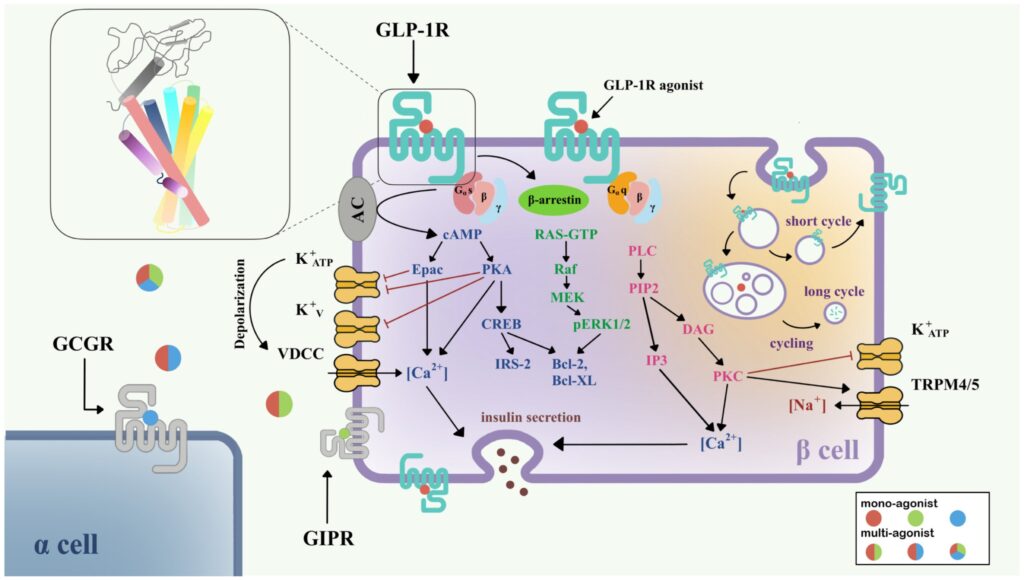
HOW IT WORKS
How GLP-1 Receptor Agonists Work
GLP-1 receptor agonists bind to receptors found throughout the body, including areas involved in appetite regulation and glucose metabolism.
Their effects may include:
- Increased feelings of fullness
- Delayed stomach emptying
- Reduced food intake
- Improved blood glucose regulation
The primary concern during breastfeeding is whether these compounds can pass into breast milk and whether they could affect a nursing infant.
Because breastfeeding infants rely entirely or partially on breast milk for nutrition, researchers and healthcare professionals carefully evaluate medication exposure during this period.
KEY INSIGHTS / RESEARCH OVERVIEW
Can You Take GLP-1 While Breastfeeding?
At present, available evidence remains limited.
Most GLP-1 medications have not been extensively studied in breastfeeding populations. As a result, healthcare providers often evaluate potential benefits and risks on a case-by-case basis.
Current prescribing information for many GLP-1 medications notes that data regarding use during breastfeeding may be limited or incomplete.
What Will Happen If I Take GLP-1 While Breastfeeding?
A frequently searched question is: What will happen if I take GLP-1 while breastfeeding?
The answer depends on multiple factors, including:
- The specific medication
- Dosage
- Duration of use
- Infant age
- Breastfeeding frequency
- Maternal health status
Because evidence remains limited, it is difficult to predict outcomes with certainty. Healthcare professionals typically consider both maternal treatment needs and potential infant exposure.
Is Ozempic Safe During Breastfeeding?
Many individuals ask: Is Ozempic safe during breastfeeding?
Ozempic contains semaglutide, a GLP-1 receptor agonist.
Current research regarding semaglutide use during breastfeeding is still developing. Regulatory guidance and prescribing information generally emphasize that available human data remain limited.
Healthcare providers may consider:
- Existing safety data
- Individual medical circumstances
- Alternative treatment options
- Breastfeeding goals
Because evidence continues to evolve, professional medical guidance remains important when evaluating treatment decisions.
Can I Take Ozempic While Breastfeeding?
The question can I take Ozempic while breastfeeding should be discussed with a qualified healthcare provider.
Current recommendations often rely on individualized risk-benefit assessments because definitive long-term breastfeeding data are limited.
Can I Take Wegovy While Breastfeeding?
Similarly, many people ask: can I take Wegovy while breastfeeding?
Wegovy contains semaglutide as its active ingredient. Although dosage and approved indications may differ from Ozempic, similar considerations apply regarding breastfeeding and infant exposure.
Researchers continue to investigate how semaglutide behaves during lactation and whether measurable amounts may be present in breast milk.
COMPARISON SECTION
Breastfeeding Considerations: GLP-1 Medications Compared
| Medication | Active Ingredient | Breastfeeding Data Availability | Key Consideration |
|---|---|---|---|
| Ozempic | Semaglutide | Limited human data | Individual assessment recommended |
| Wegovy | Semaglutide | Limited human data | Similar considerations as Ozempic |
| Tirzepatide Products | Tirzepatide | Limited breastfeeding data | Ongoing research |
| Liraglutide Products | Liraglutide | Limited breastfeeding data | Healthcare supervision important |
Key Takeaway
No GLP-1 medication currently has extensive breastfeeding-specific research compared with many older medications. As a result, treatment decisions often depend on individual circumstances and professional medical evaluation.
E-COMMERCE CONTEXT
GLP-1-related compounds are widely studied in metabolic and endocrine research. Various peptides and peptide-based compounds may be available from specialized suppliers for research purposes, subject to applicable regulations and intended use.
Researchers evaluating GLP-1 pathways often focus on appetite regulation, glucose metabolism, hormonal signaling, and weight management mechanisms.
Educational resources can help improve understanding of the scientific principles behind these compounds and their ongoing investigation.
FAQ SECTION
What weight loss drug is safe while breastfeeding?
There is no universal answer. Medication suitability depends on individual circumstances, available safety data, and healthcare provider recommendations.
Is Ozempic safe during breastfeeding?
Current evidence remains limited. Healthcare providers generally evaluate potential risks and benefits individually.
Can I take Wegovy while breastfeeding?
Wegovy contains semaglutide, and breastfeeding considerations are similar to those for other semaglutide-containing products. Professional medical guidance is recommended.
What will happen if I take GLP-1 while breastfeeding?
Potential outcomes are difficult to predict because research remains limited. Factors such as medication type, dosage, and infant age may influence considerations.
What is the 4 4 4 rule for breastfeeding?
The “4 4 4 rule” is commonly discussed in relation to breast milk storage guidelines. Interpretations may vary, so parents should follow current recommendations from healthcare professionals and recognized health organizations.
What is GLP-1 used for in research?
GLP-1 research investigates appetite regulation, glucose metabolism, hormonal signaling, obesity, and metabolic health.
How do GLP-1 medications compare with other weight management therapies?
GLP-1 therapies target hormonal pathways involved in appetite and satiety, whereas other approaches may work through different biological mechanisms.
Are GLP-1 medications experimental or approved?
Several GLP-1 medications have received approval for specific medical indications in various countries, while ongoing research explores additional applications.
CONCLUSION
The question can you take GLP-1 while breastfeeding remains an area of ongoing scientific interest. Current evidence regarding breastfeeding exposure and infant outcomes is still limited for many GLP-1 medications, including semaglutide and tirzepatide.
Because breastfeeding involves unique considerations for both parent and infant, treatment decisions are typically made on an individual basis with guidance from qualified healthcare professionals. As research continues to expand, a clearer understanding of safety and lactation-related outcomes may emerge.
DISCLAIMER
This content is intended for educational and informational purposes only. It is not medical advice, diagnosis, or treatment guidance. Individuals should consult qualified healthcare professionals regarding medication use, breastfeeding decisions, and personal health concerns.