
Skin & Cosmetic Peptides – Research Peptides for Advanced Skincare Studies
Skin & Cosmetic Peptides
Skin peptides continue to attract strong scientific interest in cosmetic and dermatological research. These short amino acid chains act as signaling compounds that researchers commonly investigate for their potential role in skin appearance, collagen support, and cellular communication. At the Medlab Peptides Official Website, laboratories and research professionals can access high-purity cosmetic peptides manufactured for research-focused applications.
Many peptides in skincare research are studied for their interaction with fibroblasts, extracellular matrix proteins, and skin barrier pathways. Additionally, cosmetic peptides may support investigations involving collagen synthesis, hydration signaling, and skin rejuvenation models. Researchers frequently explore how these compounds influence structural proteins such as collagen and elastin in controlled laboratory environments.
Our Skin & Cosmetic Peptides category includes well-known compounds such as GHK-Cu, Epithalon, Snap-8, BPC-157, TB-500, Melanotan II, PT-141, and KPV. Each peptide arrives in a lyophilized format to support long-term stability, handling precision, and research integrity.
What Are Cosmetic Peptides?
Cosmetic peptides are small chains of amino acids commonly researched for their potential interaction with skin-related cellular pathways. Scientists classify these compounds into several functional groups based on their biological activity and signaling mechanisms.
Signal peptides are often investigated for collagen support peptides and skin repair peptides research. Carrier peptides, including copper-binding compounds like GHK-Cu, are studied for their role in cellular transport and tissue signaling. Neurotransmitter-related peptides such as Argireline and Snap-8 are commonly researched in peptide skincare research involving facial expression pathways and cosmetic formulation studies.
Researchers also examine anti-aging peptides and beauty peptides for their potential applications in skin texture, elasticity, and hydration models. Furthermore, studies involving peptides for skin continue expanding due to growing interest in regenerative and cosmetic science.
Research Interest in Skin and Cosmetic Peptides
Scientists investigate the best skin and cosmetic peptides across multiple research settings. Current studies focus on peptide signaling, cellular repair mechanisms, and extracellular matrix support. Additionally, researchers continue exploring cosmetic peptides and compounds for their stability, receptor activity, and compatibility with topical delivery systems.
Compounds like Matrixyl and GHK-Cu are commonly researched for collagen-related signaling pathways. Meanwhile, Epithalon and KPV attract interest in cellular longevity and inflammatory response investigations. Melanotan II and PT-141 are also studied for melanocortin receptor interactions and pigmentation-related research models.
At Medlab Peptides, all products undergo rigorous quality standards and analytical verification. Our peptides are supplied in high-purity lyophilized form to support consistency, stability, and research reliability. Laboratories looking to buy bulk peptides online can access research-grade compounds backed by strict quality-focused manufacturing processes.
Why Researchers Choose Medlab Peptides
- High-purity research peptides
- Lyophilized peptide stability
- Research-focused manufacturing standards
- Secure packaging and storage protocols
- Broad cosmetic peptides selection
- Reliable peptide sourcing for laboratories
Whether your focus involves peptide skincare research or advanced cosmetic peptide investigations, Medlab Peptides delivers trusted research compounds designed for scientific use.
Frequently Asked Questions
What are skin peptides?
Skin peptides are amino acid chains commonly researched for their role in cellular communication, collagen signaling, and skin support pathways.
How are cosmetic peptides researched?
Researchers investigate cosmetic peptides in laboratory settings involving skin models, fibroblast activity, and extracellular matrix studies.
What peptides are studied for skin rejuvenation?
GHK-Cu, Snap-8, and Epithalon are commonly studied for skin rejuvenation peptide research.
What are anti-aging peptides?
Anti-aging peptides are peptide compounds researched for their potential interaction with collagen, elastin, and skin appearance pathways.
How do peptide compounds support skin research?
Scientists study peptides in skincare for their signaling activity, structural protein support, and cellular communication functions.
Conclusion
The demand for high-quality skin peptides continues growing within cosmetic and peptide research industries. At Medlab Peptides Official Website, researchers gain access to carefully manufactured cosmetic peptides developed for scientific investigations and laboratory excellence.
Explore our premium collection today and discover why research professionals trust Medlab Peptides for advanced peptide skincare research and cosmetic peptide sourcing.
Showing 1–8 of 12 results
-
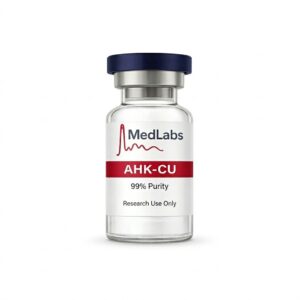
AHK-CU
Price range: $75.00 through $125.00 Select options This product has multiple variants. The options may be chosen on the product page -
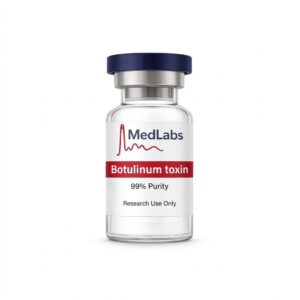
Botulinum toxin (single vial)
$130.00 Select options This product has multiple variants. The options may be chosen on the product page -
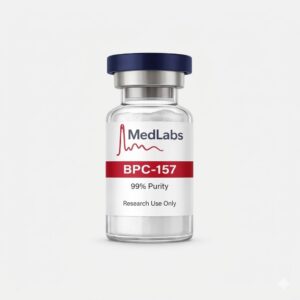
BPC-157
Price range: $35.00 through $70.00 Select options This product has multiple variants. The options may be chosen on the product page -
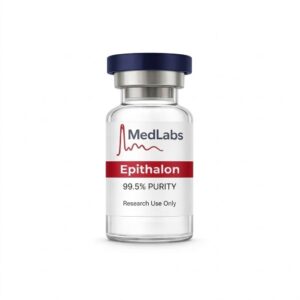
Epithalon
Price range: $35.00 through $125.00 Select options This product has multiple variants. The options may be chosen on the product page -
GHK-CU
Price range: $25.00 through $40.00 Select options This product has multiple variants. The options may be chosen on the product page -
Hair/Skin Blend (HHB)
$160.00 Select options This product has multiple variants. The options may be chosen on the product page -
KPV
Price range: $35.00 through $55.00 Select options This product has multiple variants. The options may be chosen on the product page -
Melanotan 1 (MT-1)
$60.00 Select options This product has multiple variants. The options may be chosen on the product page